

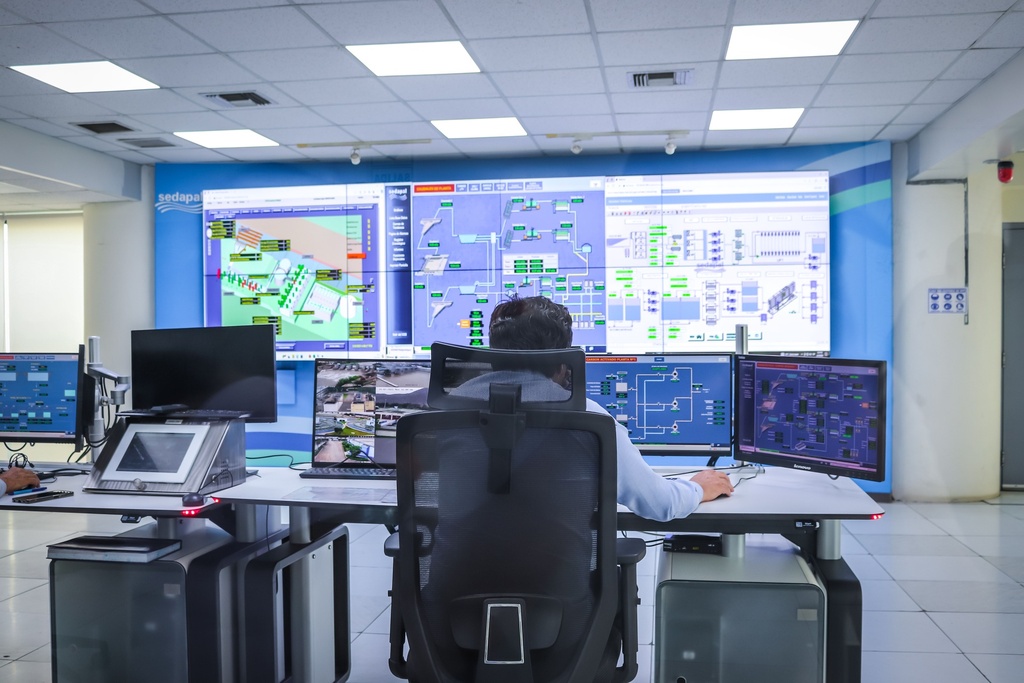



Systems & Network Administrator
<p>An <strong>Offshore Systems & Network Administrator</strong> supports the day-to-day operation of IT infrastructure to keep systems, servers, services and network equipment available, correctly configured and documented. The role monitors the environment, handles technical incidents, performs routine administration and follows the procedures defined by the company.</p> <p><strong>Here is what an Offshore Systems & Network Administrator from MySpecialist can take care of:</strong></p> <ul> <li><strong>Server administration</strong> : day-to-day administration of Windows or Linux servers, including monitoring services, resources, configurations and other elements required for their operation.</li> <li><strong>User account and access management</strong> : creating, modifying and disabling user accounts, groups and access rights according to approved requests and company policies.</li> <li><strong>Microsoft services administration</strong> : operational management of users, groups, licences and standard settings within Microsoft 365, Active Directory and related services.</li> <li><strong>Infrastructure monitoring</strong> : monitoring servers, services, equipment and resources to identify outages, alerts, capacity issues and abnormal behaviour.</li> <li><strong>Network administration</strong> : managing network equipment, connections, addressing, access and configurations within the assigned scope.</li> <li><strong>System and network incident handling</strong> : analysing alerts and failures, performing initial diagnostics, applying defined resolution procedures and escalating incidents when additional expertise is required.</li> <li><strong>Patch and update management</strong> : preparing, deploying and checking system and software updates according to defined maintenance windows and procedures.</li> <li><strong>Backup monitoring</strong> : checking backup execution, identifying failures and performing the verification or restart procedures defined by the organisation.</li> <li><strong>Virtual environment administration</strong> : day-to-day management of virtual machines, resources and configurations within the company’s virtualisation environments.</li> <li><strong>Cloud service administration</strong> : operational management of cloud resources, users and services included within the assigned administration scope.</li> <li><strong>Technical request management</strong> : handling tickets relating to systems, access, services and network equipment while documenting statuses and actions performed.</li> <li><strong>Log and alert monitoring</strong> : reviewing technical logs and events to identify recurring errors, service interruptions and other issues requiring intervention.</li> <li><strong>Infrastructure documentation</strong> : maintaining procedures, configurations, inventories, diagrams and other technical information required for effective infrastructure management.</li> <li><strong>Preventive maintenance</strong> : carrying out scheduled checks on systems and equipment to identify potential issues before they affect users or services.</li> </ul> <p>Depending on the infrastructure, technologies and assigned access rights, an Offshore Systems & Network Administrator can also support service migrations, deployment of new environments, automation of administration tasks and other activities related to systems and network operations. Critical security, architecture or high-impact availability changes remain subject to the company’s authorisation and validation procedures.</p> <div class="faq" style="display:none;"> <h3>Frequently asked questions</h3> <ul> <li><strong>What activities can an Offshore Systems & Network Administrator handle?</strong> The role can cover server administration, user accounts and access, Microsoft services, networks, backups, virtualised and cloud environments and technical incident management.</li> <li><strong>Can an Offshore Systems & Network Administrator work directly within our IT infrastructure?</strong> Yes, the role can work remotely within the company’s systems and tools according to the assigned access rights, procedures and responsibilities.</li> <li><strong>Can the role perform critical infrastructure changes?</strong> It can prepare and perform operations within its assigned scope. Critical changes with a significant impact on security or availability remain subject to the company’s authorisation and validation processes.</li> </ul> </div>